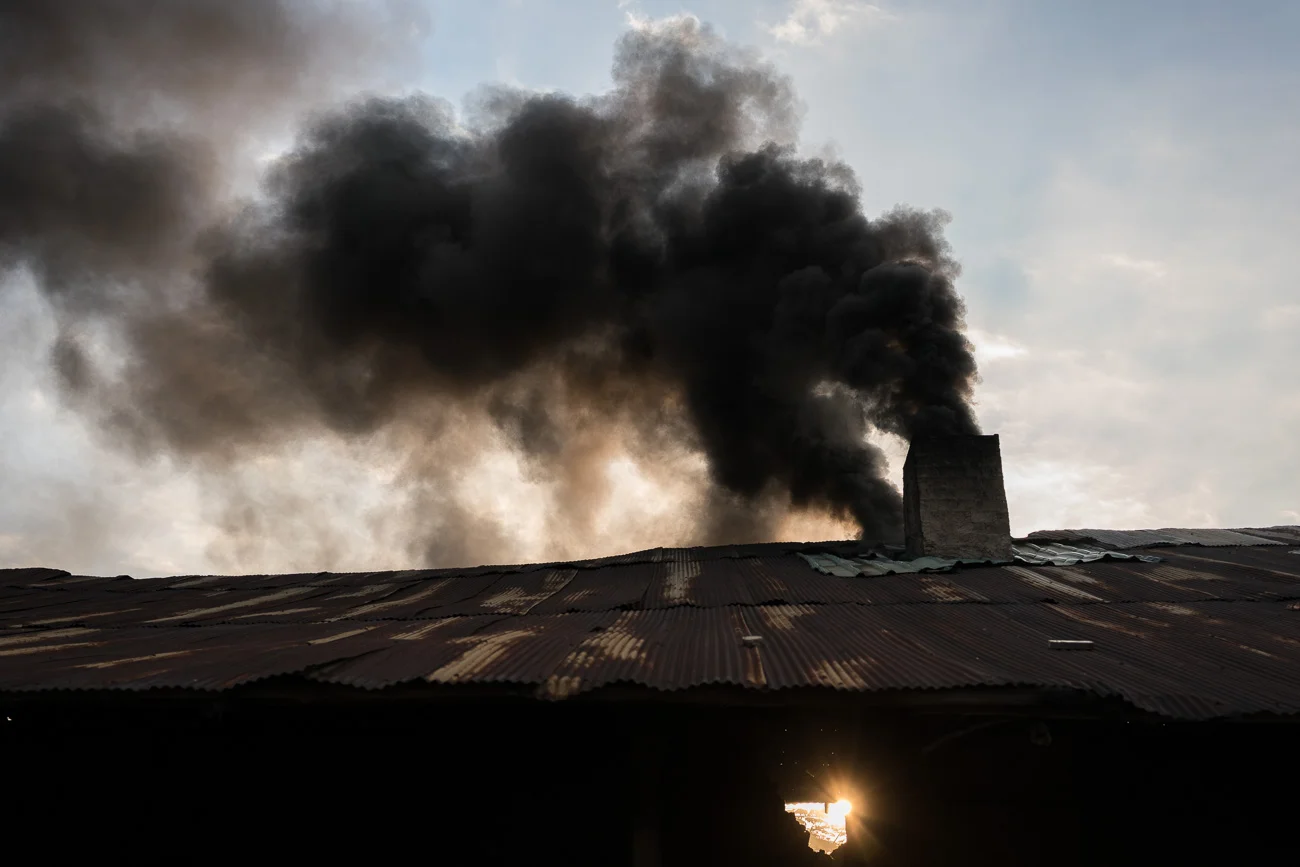
CLIMATE CHANGE STORIES FROM SOUTHEAsT ASIA AND BEYOND
With over a decade of experience, I am a documentary filmmaker, cinematographer, and photojournalist documenting the intersection of climate change, development, environmental justice, and community resilience across Cambodia, Thailand, and Southeast Asia.
My work has focused in particular on the Mekong, where I investigate the social and ecological consequences of rapid development — including large-scale hydropower dams and infrastructure projects that disrupt river ecosystems, displace communities, and accelerate environmental degradation.
From the disappearing fisheries of Cambodia’s Tonle Sap Lake to deforestation in indigenous territories and community-led conservation initiatives, I have collaborated with international media outlets such as The New York Times, Bloomberg, Mongabay, and BBC, as well as development and environmental organisations including UNEP, USAID, and WWF.
Through long-term, field-based visual storytelling, my work aims to elevate local voices, expose urgent environmental challenges, and highlight innovative, community-driven solutions emerging across the Mekong region.
Interested in commissioning climate CHANGE STORIES?
UNEP - AUSTRALIA’s LOST SHELLFISH REEFS
Australia is leading one of the world’s most ambitious marine restoration efforts through its Shellfish Reef Building Program. While coral reefs often dominate headlines, shellfish reefs—formed by oysters and mussels—are equally vital. These “ecosystem engineers” filter water, boost fish stocks, and protect coastlines.
With support from The Nature Conservancy, the Australian Government, and local communities, the program has already restored over 60 hectares of reef across all six southern states, aiming to recover 30% of the country’s lost shellfish reefs by 2030.
MONGABAY - MOKEN OCEAN GUARDIANS
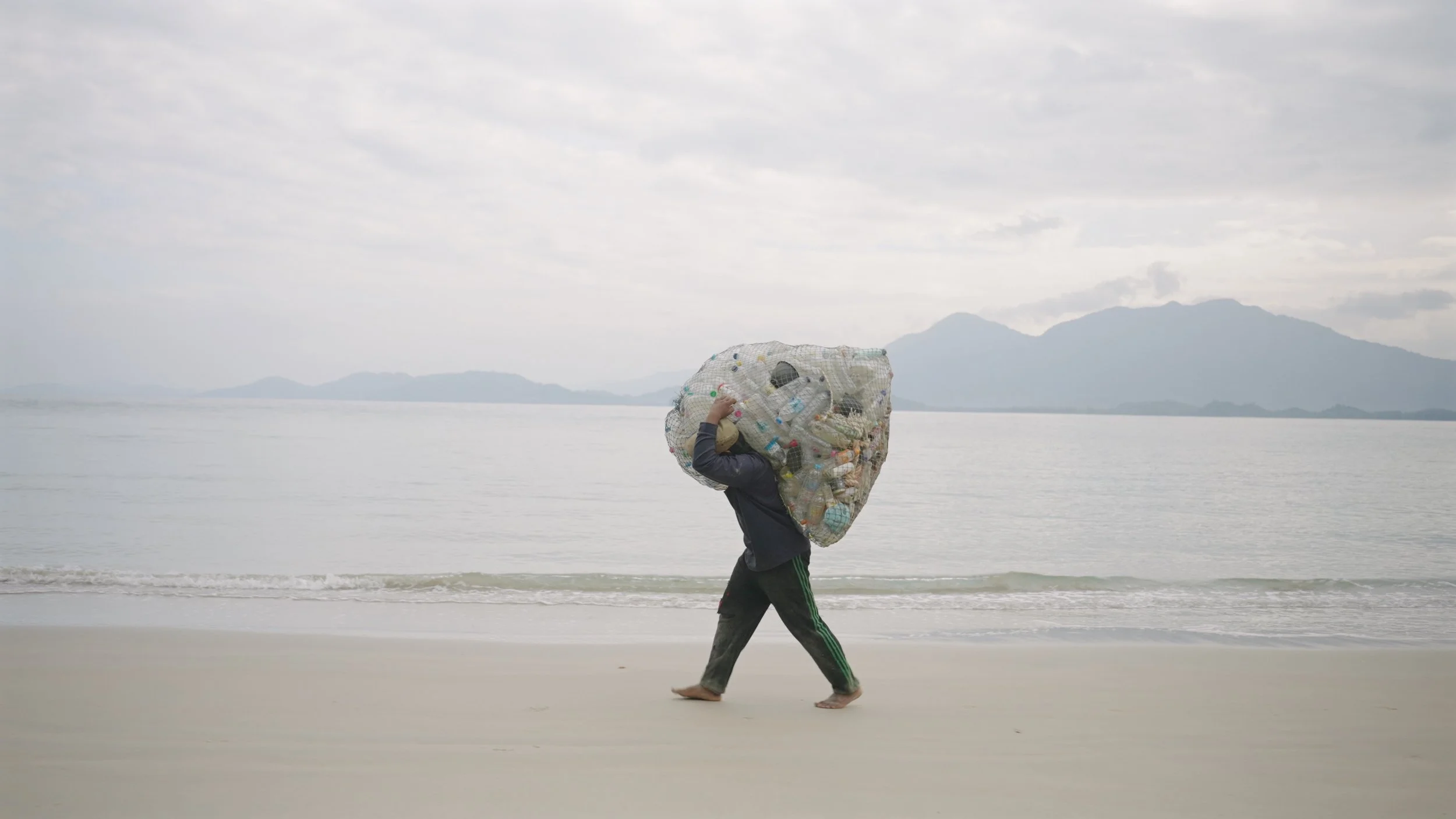
A documentary following Ngui, a Moken sea nomad in Thailand’s Andaman Sea, as his community adapts to environmental change.
Through the Moken Ocean Guardians, plastic waste is transformed into income while preserving marine ecosystems and cultural knowledge.
SCMP - The LAST BREATH OF THE TONLE SAP
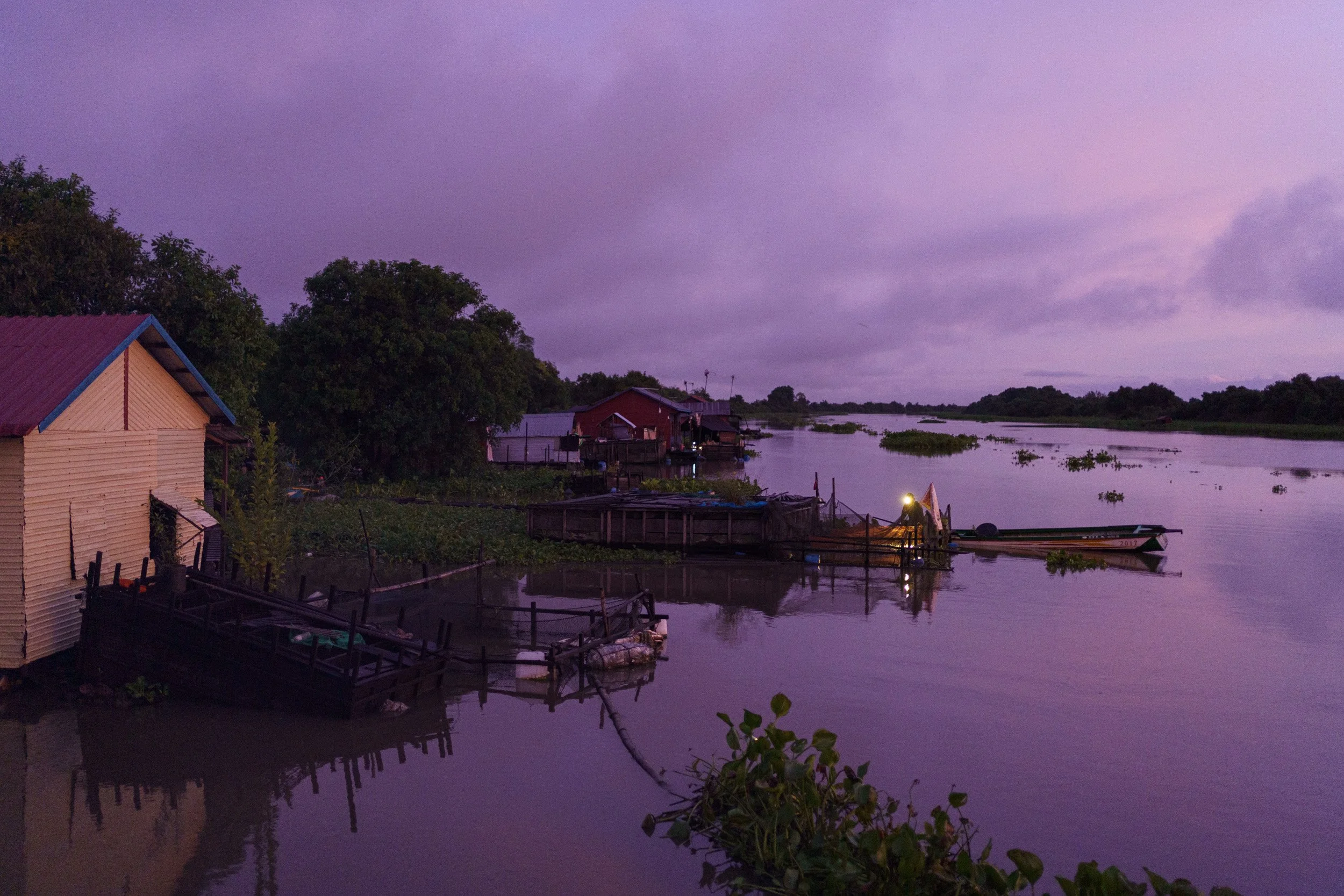
Fisherman Piseth and his family live on the edge of Cambodia’s Tonle Sap Lake, where they are experiencing firsthand the accelerating consequences of climate change and the construction of hydroelectric dams along the Mekong.
Fish stocks have collapsed, and with each passing season the family grows more uncertain about how they will continue to feed themselves and sustain their way of life.
BLOOD BRICKS - UNTOLD STORIES OF MODERN SLAVERY AND CLIMATE CHANGE FROM CAMBODIA
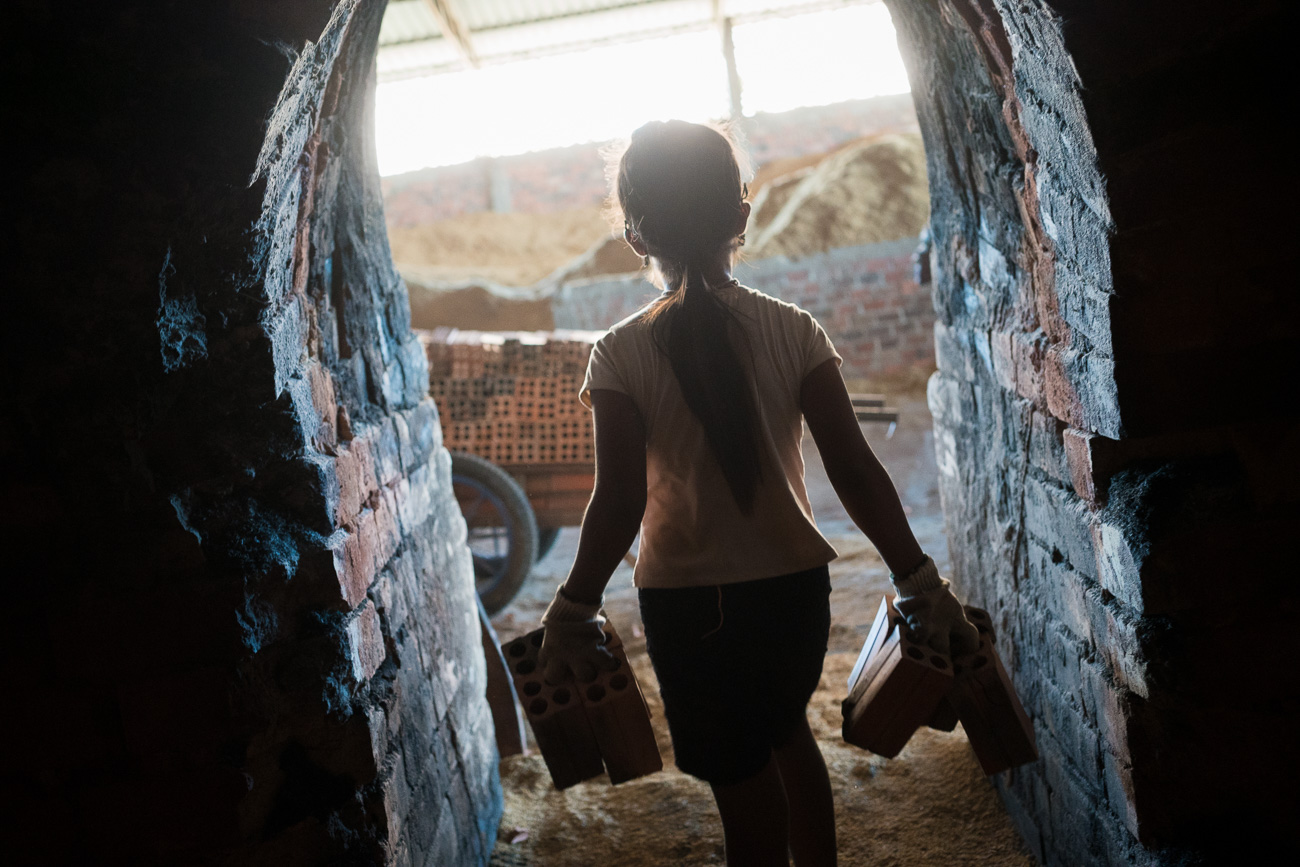
Blood Bricks traces how urban ‘development’ is built on unsustainable levels of debt taken on by Cambodian rural families struggling to farm in one of the most climate-vulnerable countries in the world.
BBC OUR WORLD - THE LAST CHANCE TO SAVE THE MEKONG
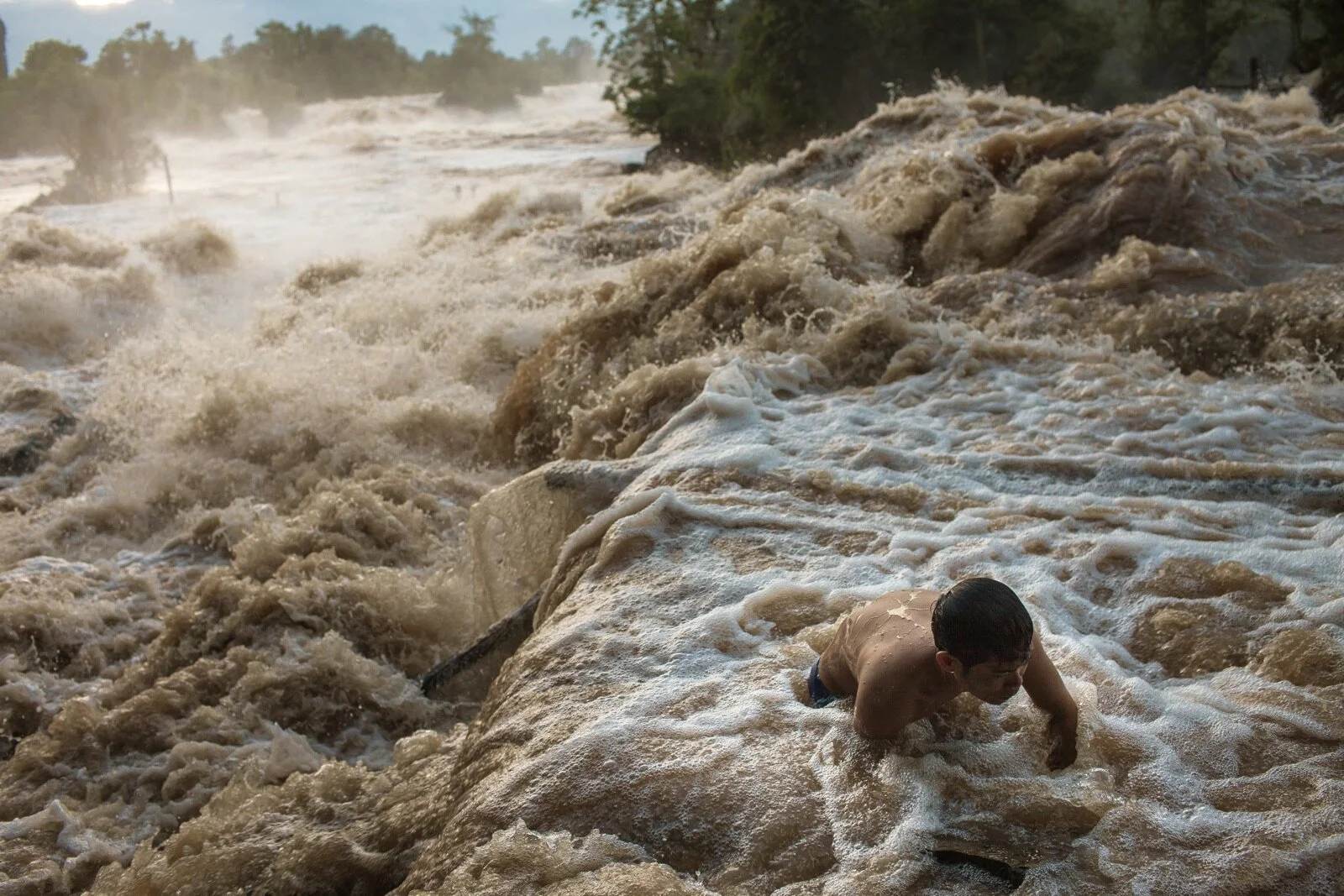
The Mekong River is arguably one of the most important in the world. It sustains more than sixty million lives as it travels through China and Southeast Asia.
But an onslaught of dam building, intensifying climate change, and sand dredging has had a catastrophic effect.
BBC correspondent Laura Bicker was in Cambodia to ask if the mighty Mekong can be saved and meets a new generation trying to breathe life into the dying river.
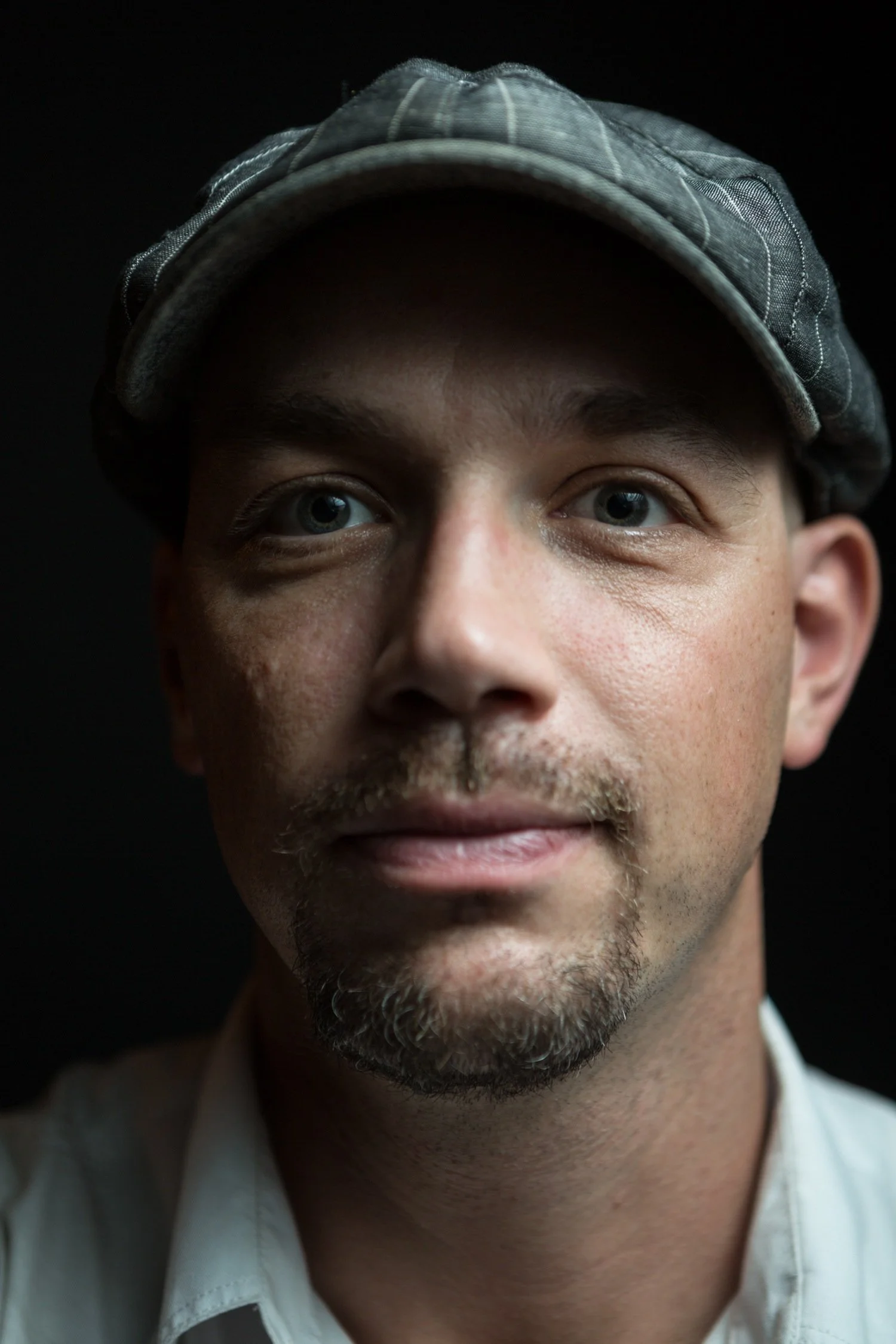
I’m Thomas Cristofoletti, an award-winning documentary cinematographer and photojournalist based in Bangkok (Thailand), working across Cambodia, Southeast Asia, and internationally.
My work focuses on investigative and environmental storytelling, documenting issues related to climate change, development, and human rights for international media outlets and development organisations.