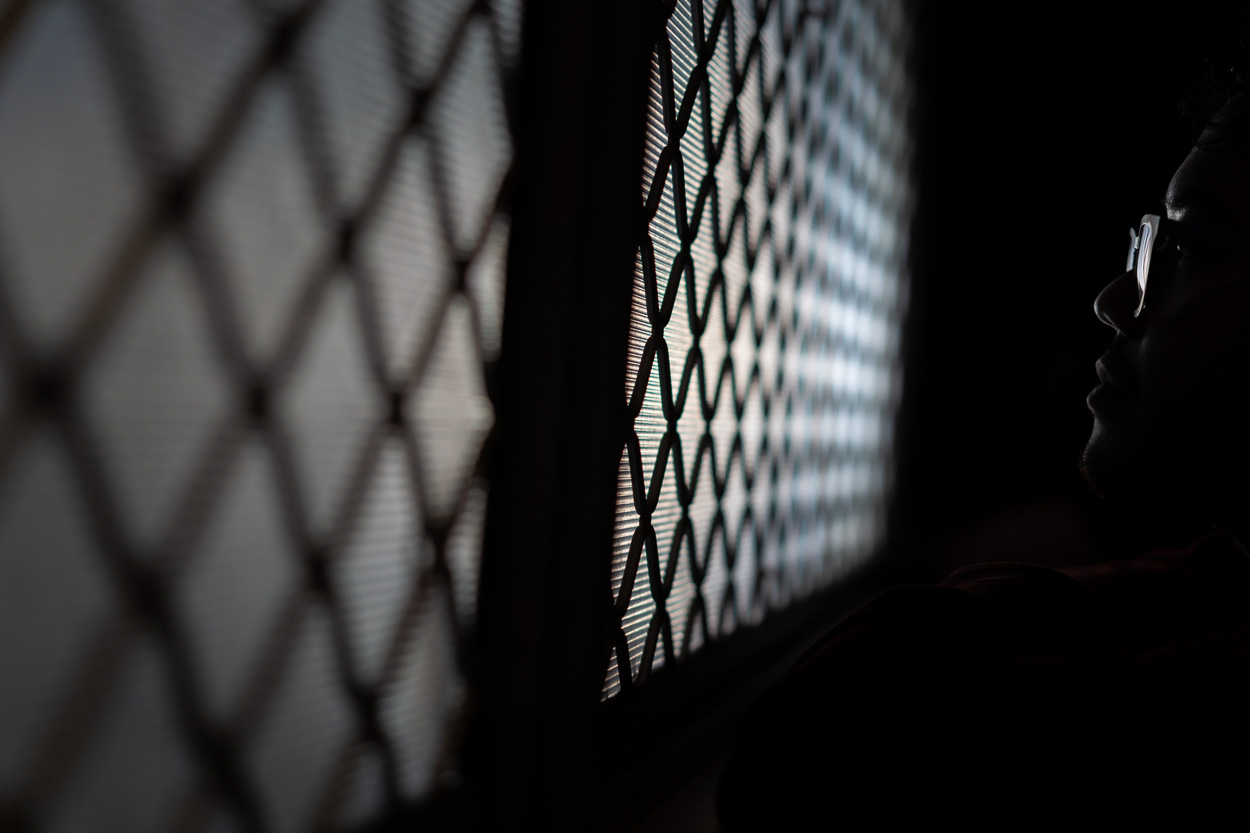
Outkast: being LGBT in Indonesia
Homosexuality is not a crime in most of Indonesia; however, in recent years, a growing push by hardline Islamic groups and conservative political actors has led to increased persecution of LGBTQ people. Using broad and vaguely defined legislation—such as the country’s pornography and public morality laws—authorities have targeted LGBTQ individuals through arrests, public shaming, police raids, and so-called “moral rehabilitation” measures. In Aceh, the only province governed by Sharia law, same-sex relations are criminalised and punishable by public caning.
According to human rights organisations, reports of violence, discrimination, and harassment against LGBTQ people in Indonesia have risen sharply since 2016. Surveys suggest that a majority of Indonesians view homosexuality negatively, and many LGBTQ individuals face rejection from their families, loss of employment, and limited access to housing and healthcare. As a result, many are forced to live in secrecy, hiding their identities to avoid social and legal consequences.
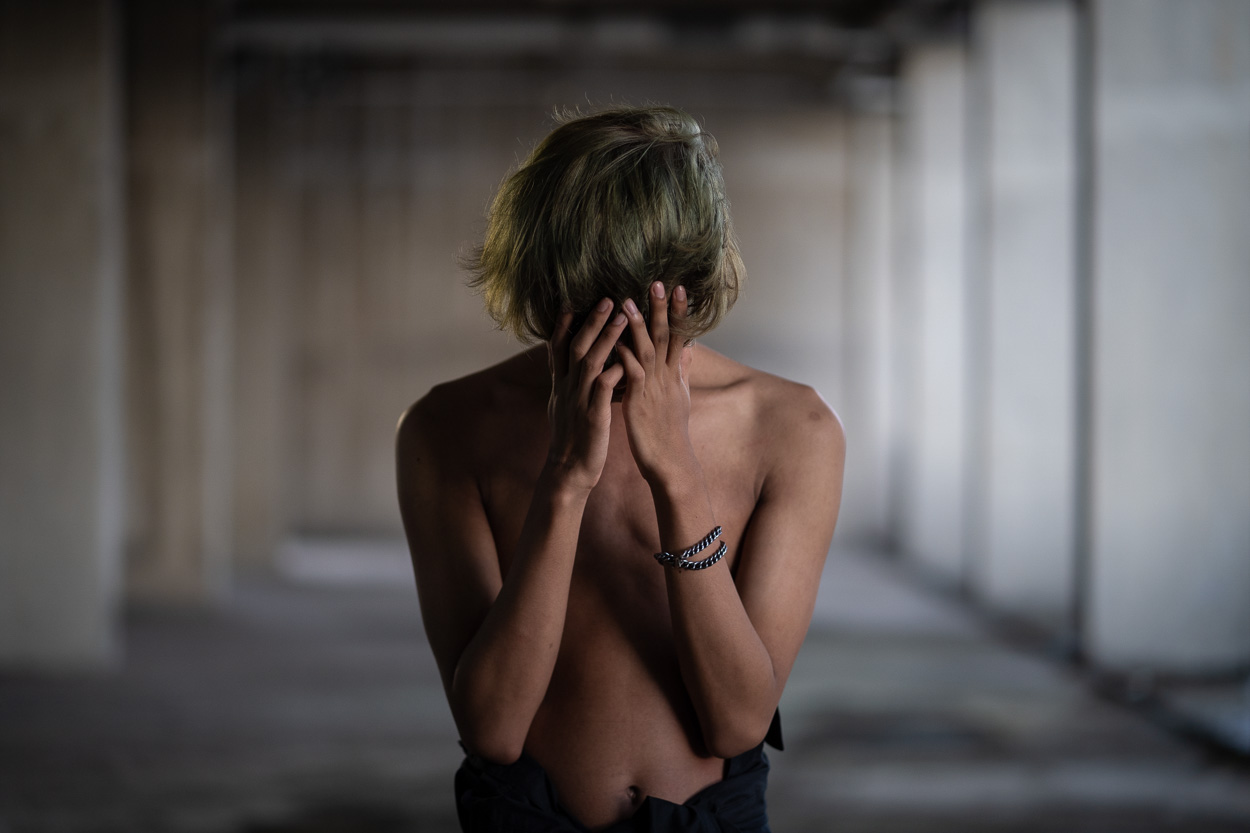
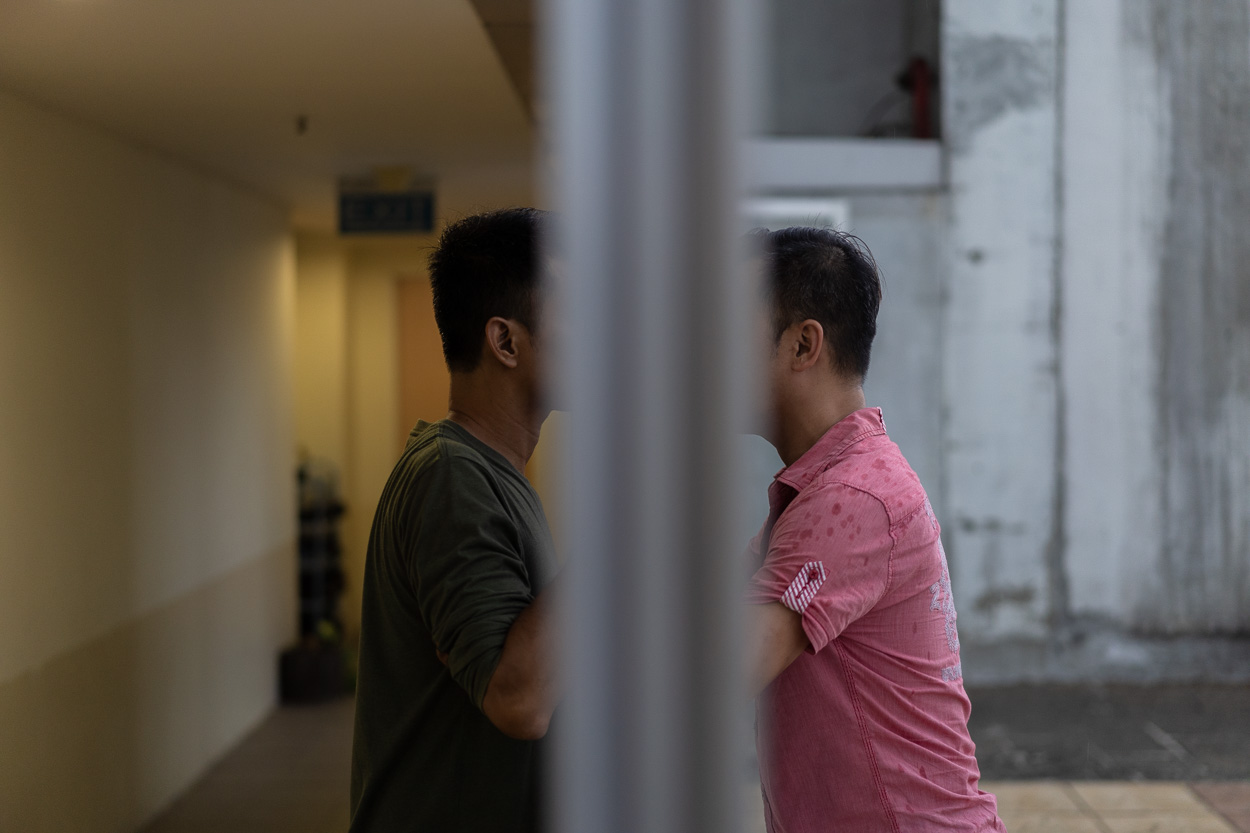
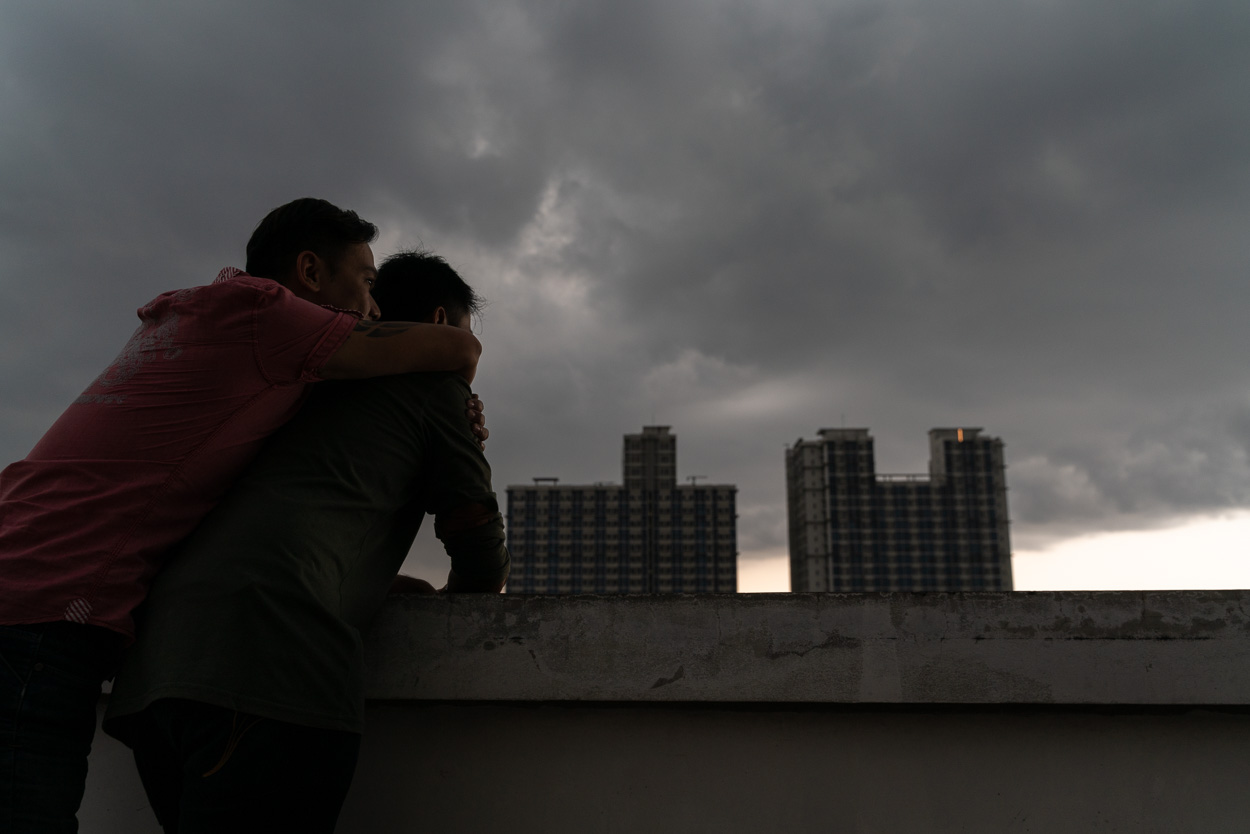
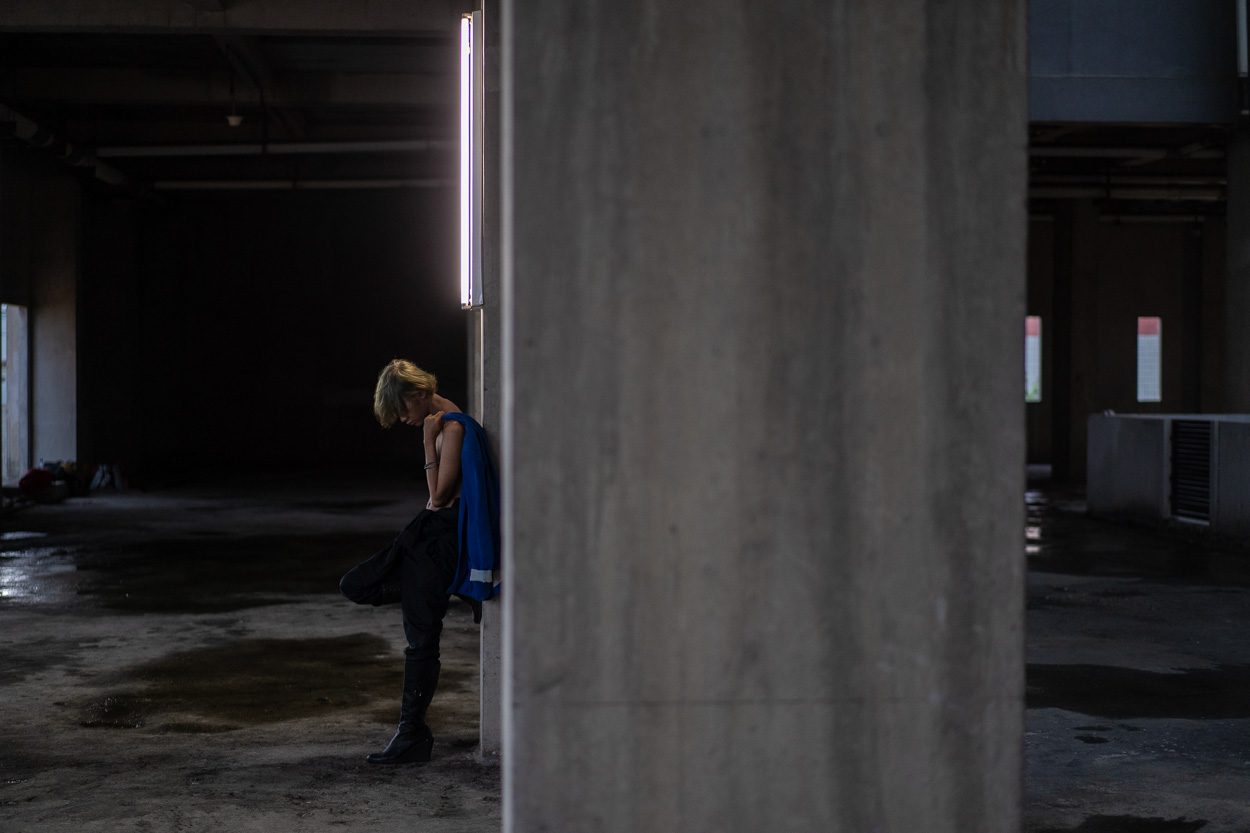
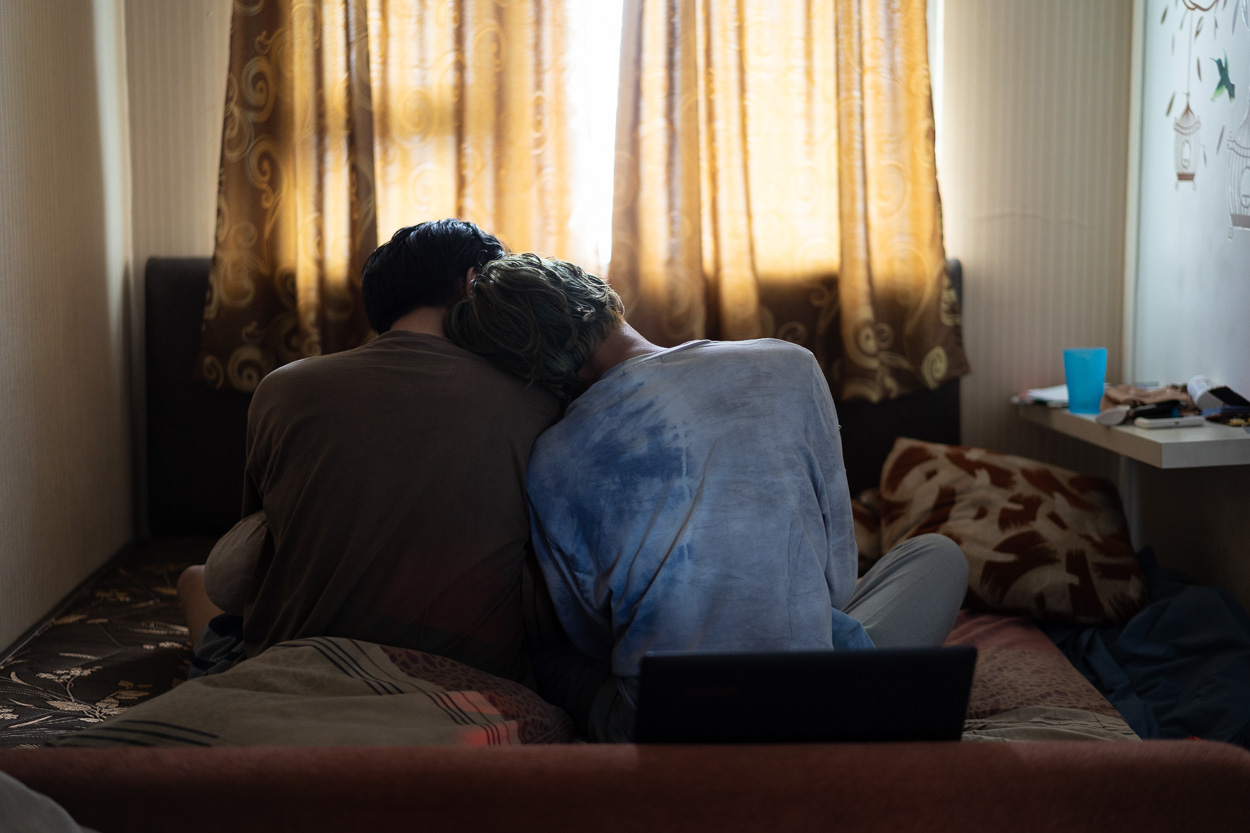
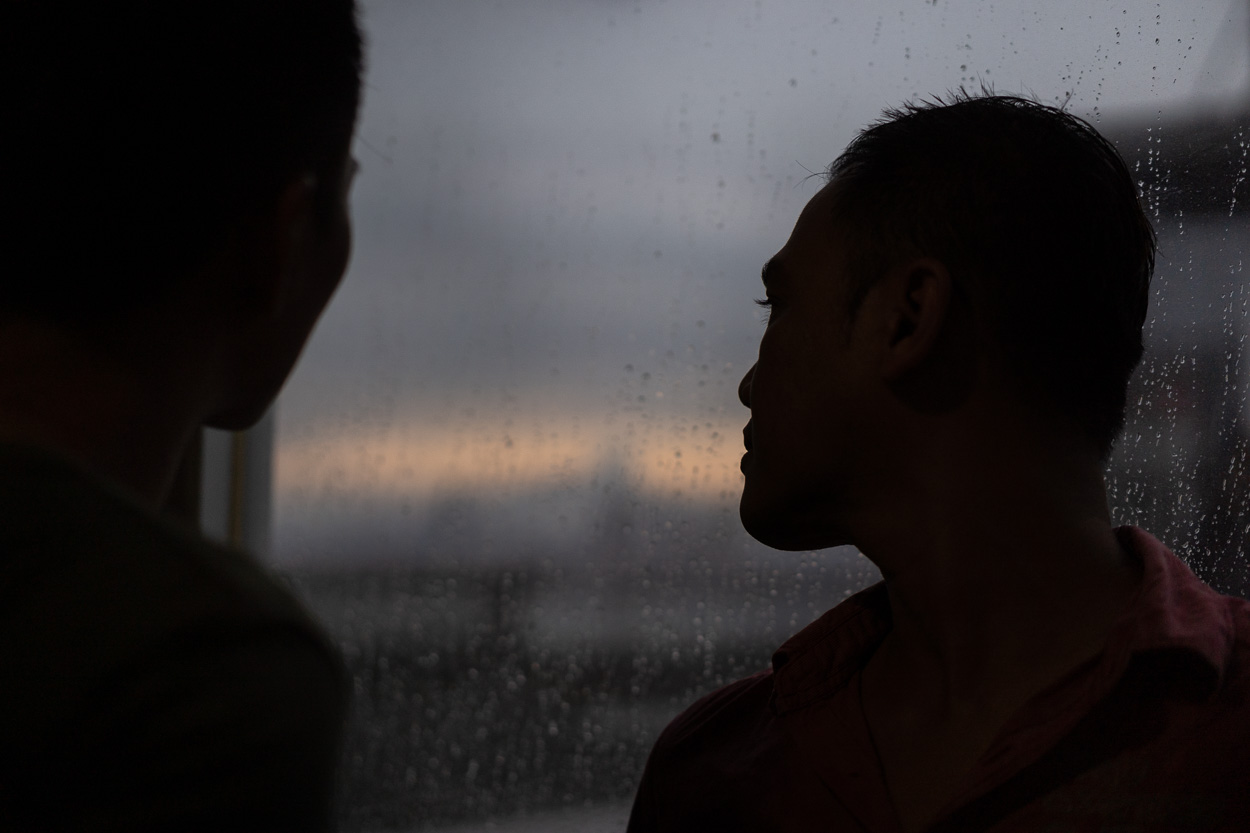
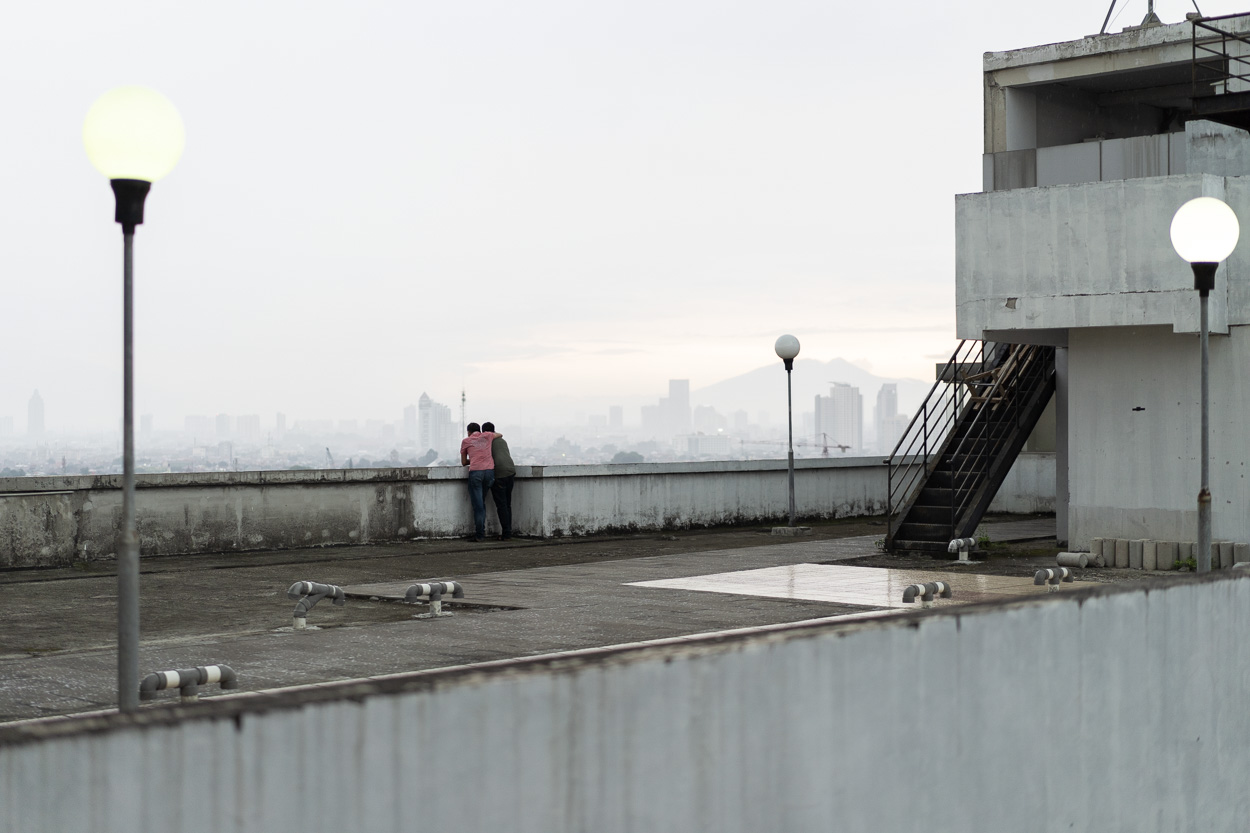
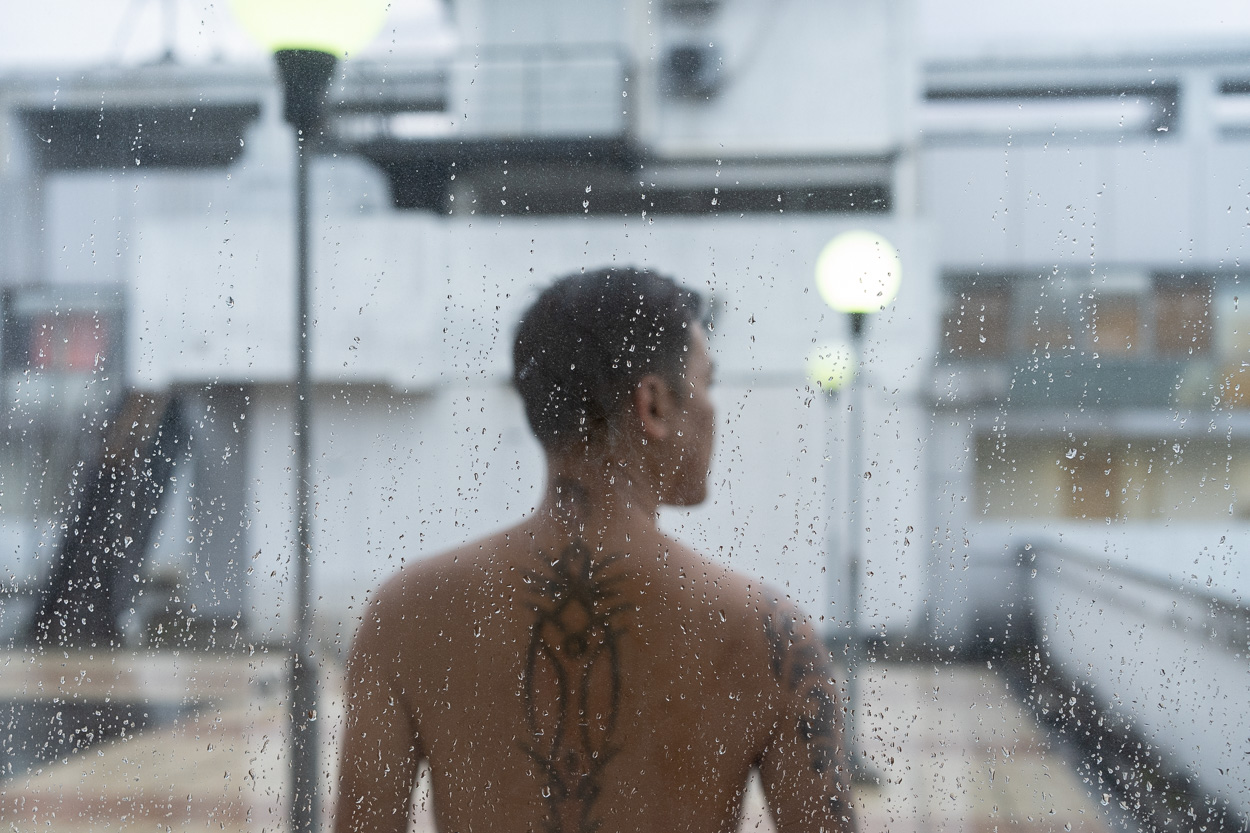
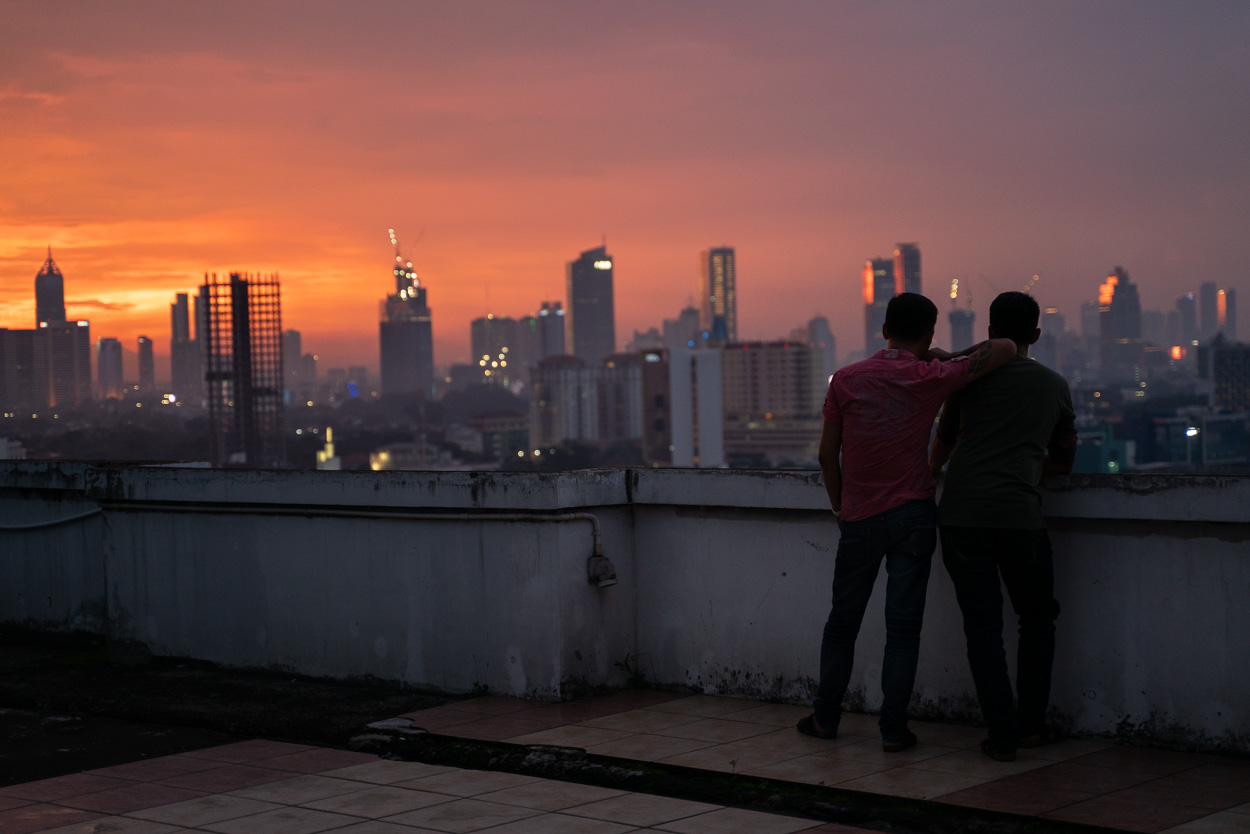
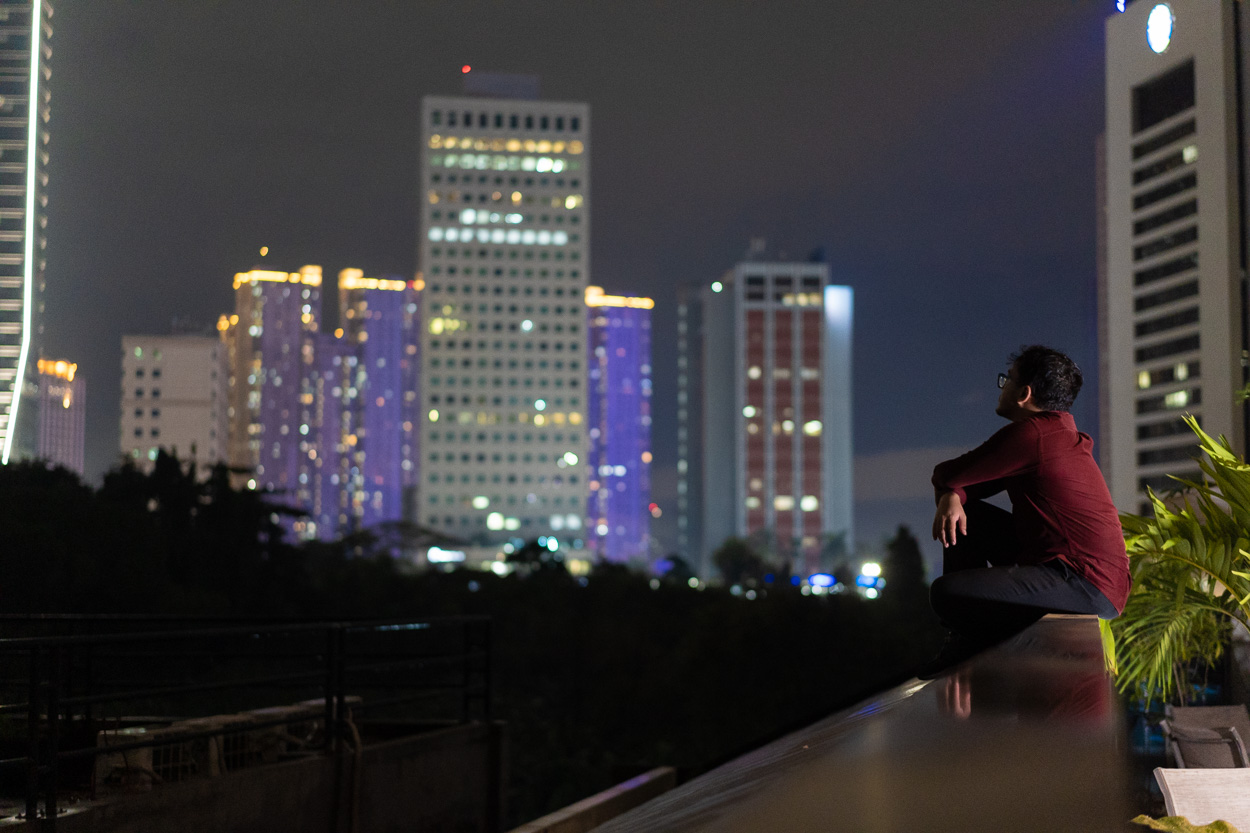
In February 2019, I travelled to Jakarta, where I met “Bagus”, who showed remarkable courage in sharing his story. He spoke openly about coming out, being shunned by his family, and the daily frustration of not being able to express who he truly is in a society that offers little acceptance or protection.
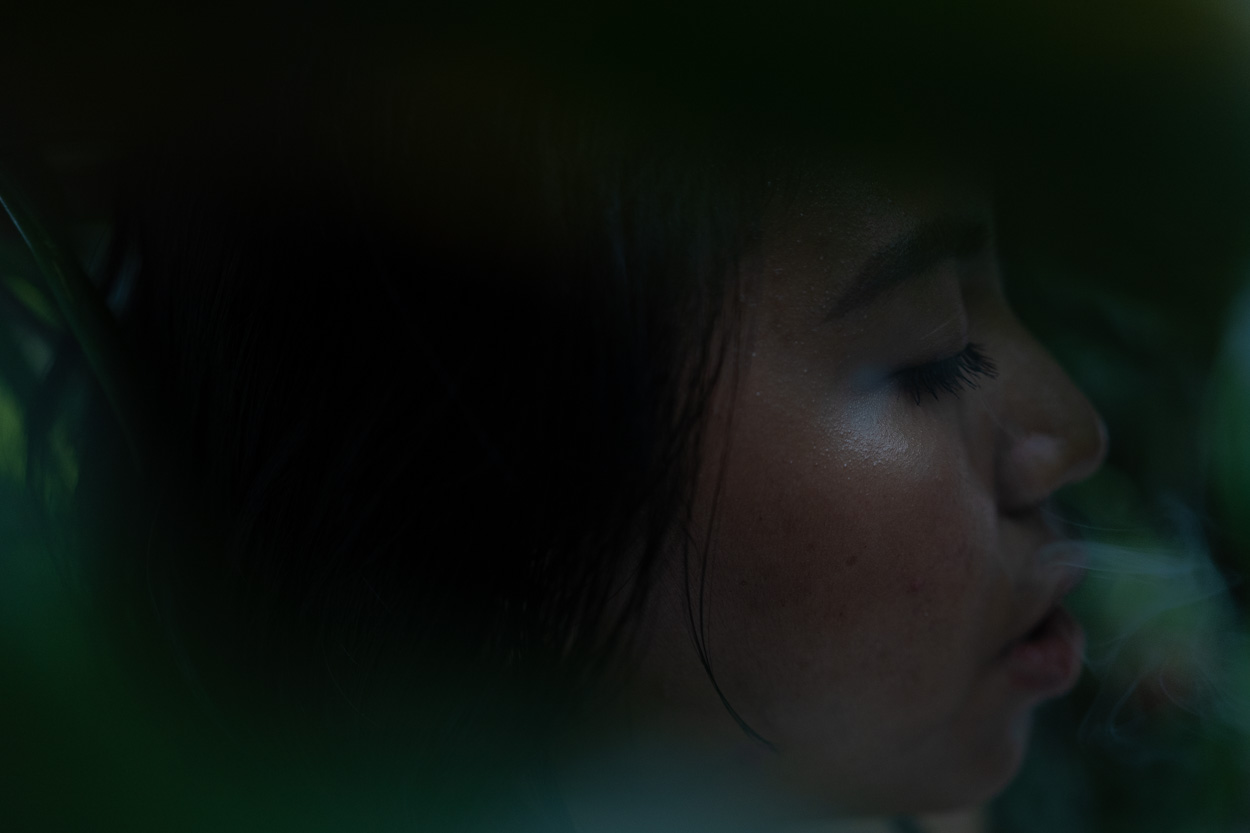
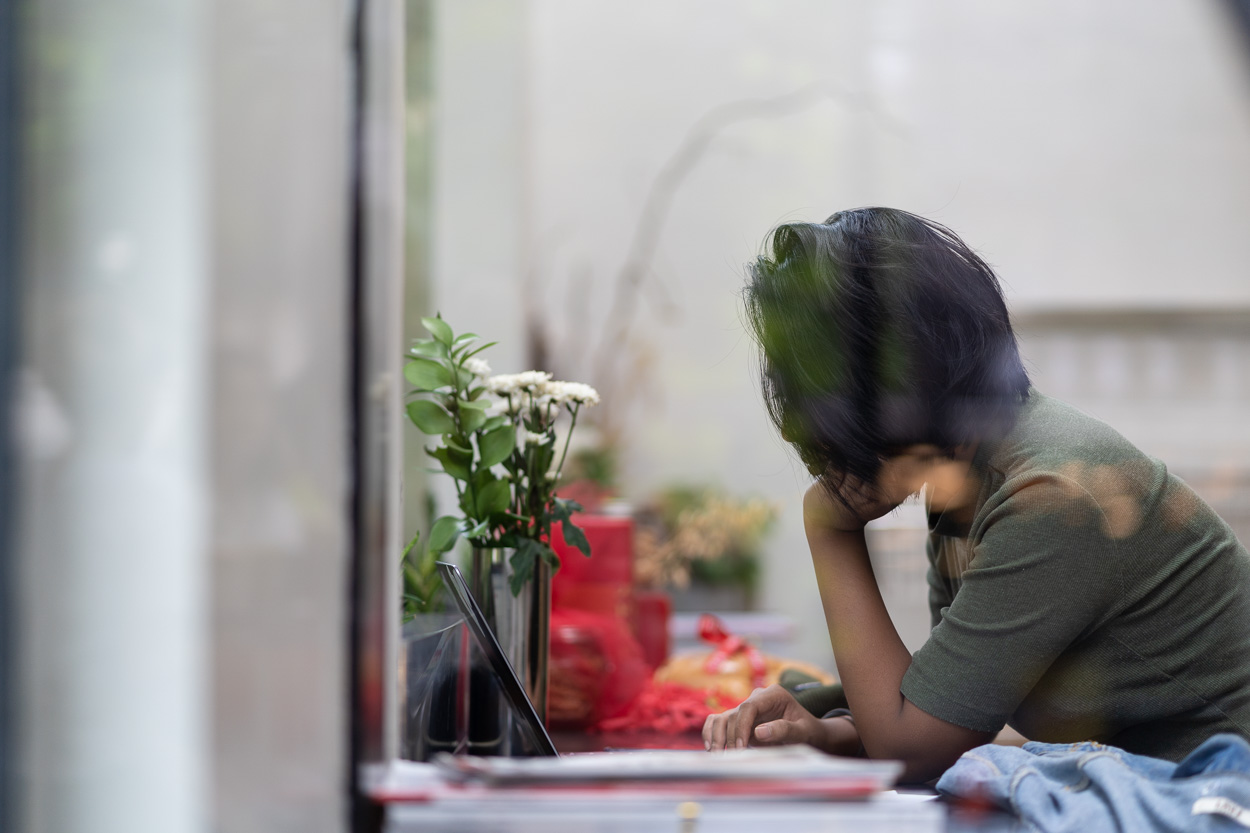
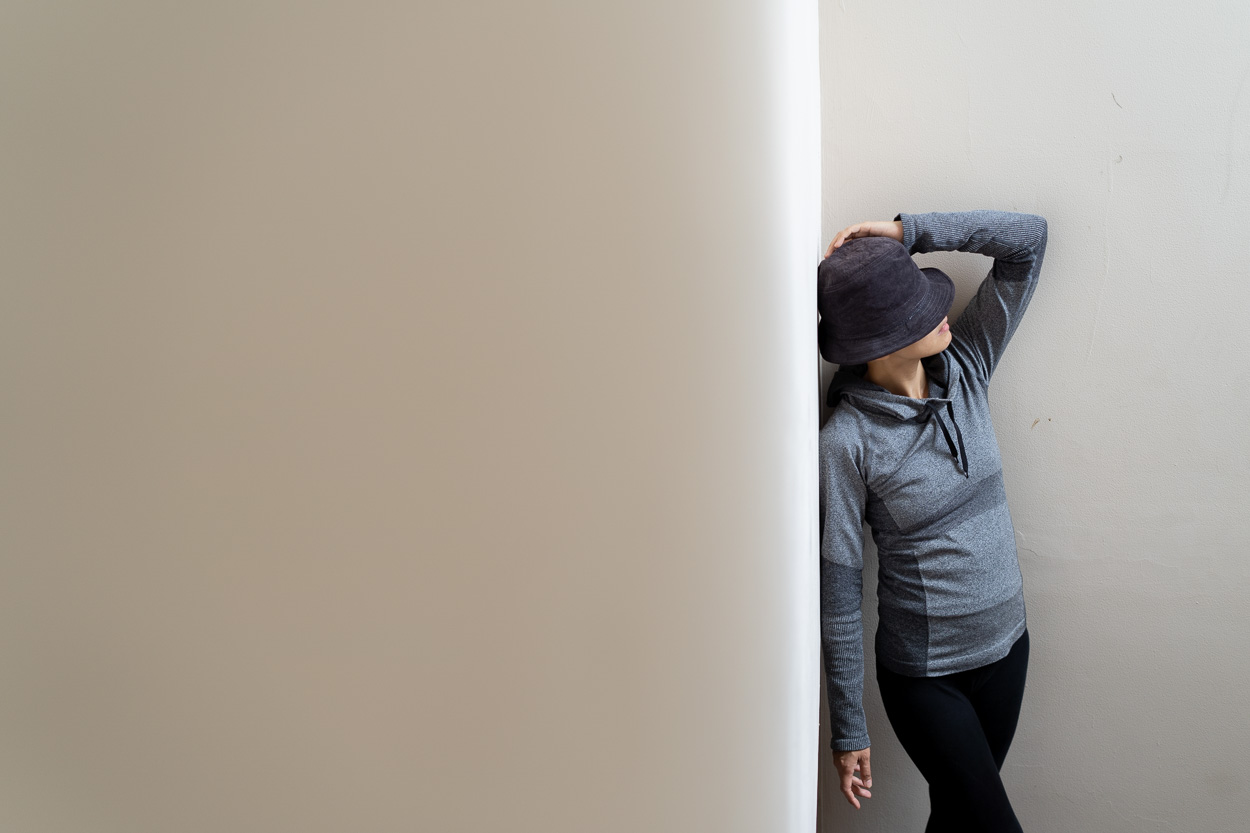
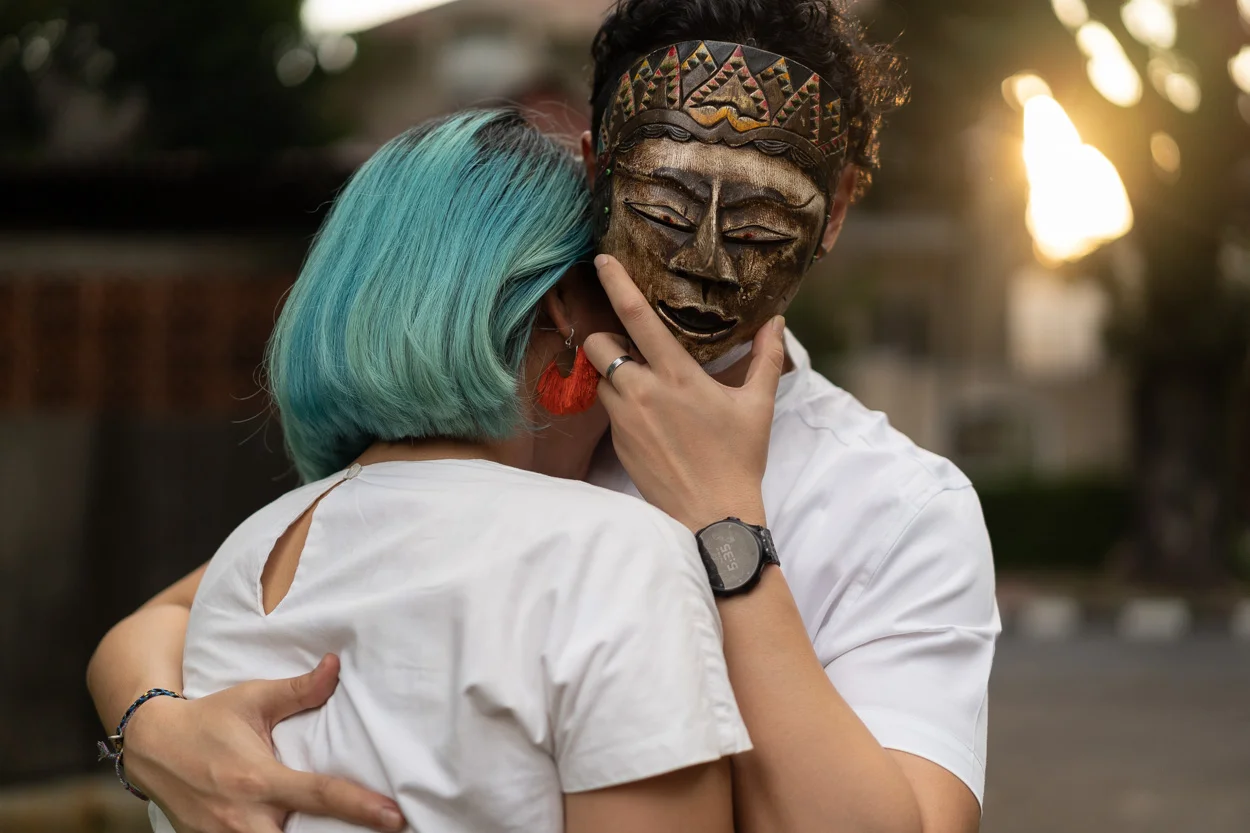
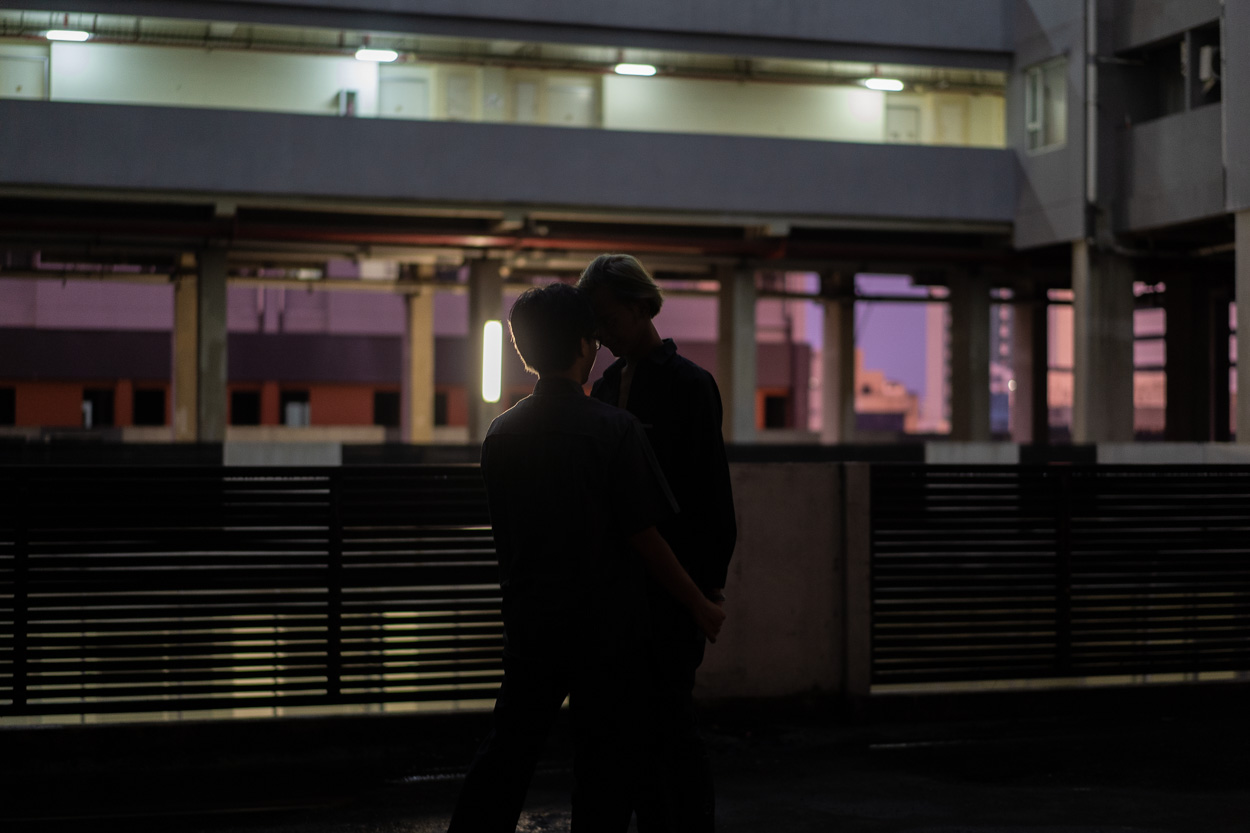
Bagus is just one of several LGBTQ individuals I met alongside writer Ricardo Solero Perez. Each of them chose to share deeply personal experiences and allowed me to photograph them, offering rare and intimate insight into lives shaped by fear, resilience, and the ongoing struggle for dignity and visibility in Indonesia.
“Four years ago, Rio’s mother borrowed his tablet, logged into his Facebook account, and found out his sexual orientation. She told the whole family. Later, in a moment of rage, she screamed at him, “I wish it was legal to kill you.””